


MakerEd’s first two workshops for this fall cover different but complemetary areas of maker education. Last month, Chris Haske talked about creative invention and this month, authors Joan Horvath and Rich Cameron, provide examples from their books that show how to use maker technology to teach math and physics.
Tangible STEM: Exploring Math and Physics with Maker Technology
Joan Horvath & Rich Cameron
Our next Learning Together workshop will focus on understanding how maker technology makes math and physics tangible. Joan Horvath & Rich Cameron will show how teaching maker technologies such as 3D printing and programmable microcontrollers like the BBC microbit are making sophisticated STEM concepts can be made more accessible, affordable, and hands-on. In this session they will share projects from their Make: Math books and their new book, Make: Physics, demonstrating how physical models, 3D printing and digital fabrication can transform abstract mathematical and scientific concepts into experiences students can see, touch, test, and modify.
Monday October 19th, 7pm ET/ 4pm PT
LINK TO JOIN: https://meet.zoho.com/kxdg-pls-ptx
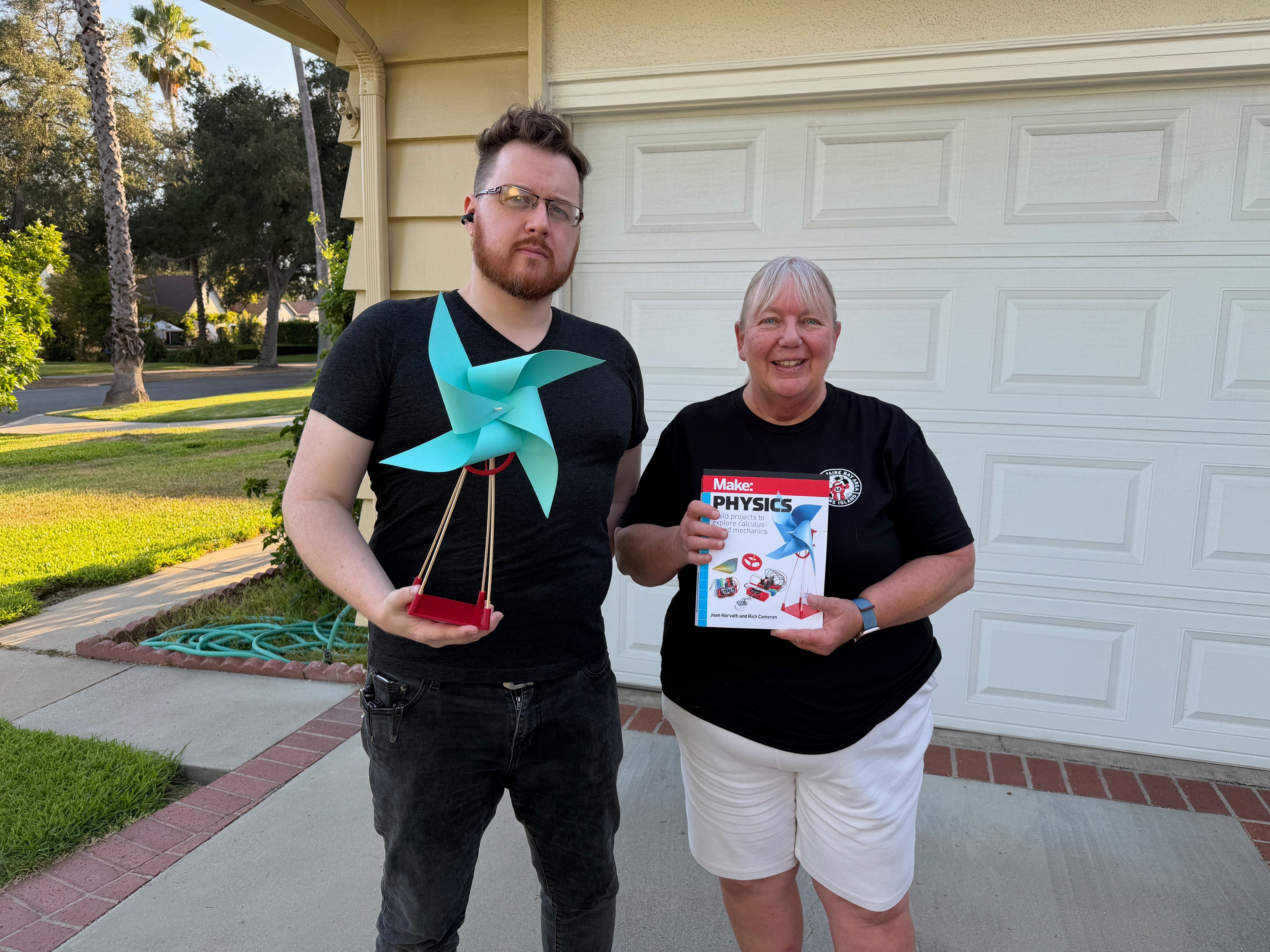
Joan Horvath and Rich Cameron are the co-founders of Nonscriptum LLC, a creative partnership. They have written 11 books together, including the Make: Math series and the recently released Make: Physics. They have also created LinkedIn Learning courses and developed curriculum materials for various organizations. Joan is an MIT alumna and recovering rocket scientist, and Rich is a hardware hacker and 3D printer designer.
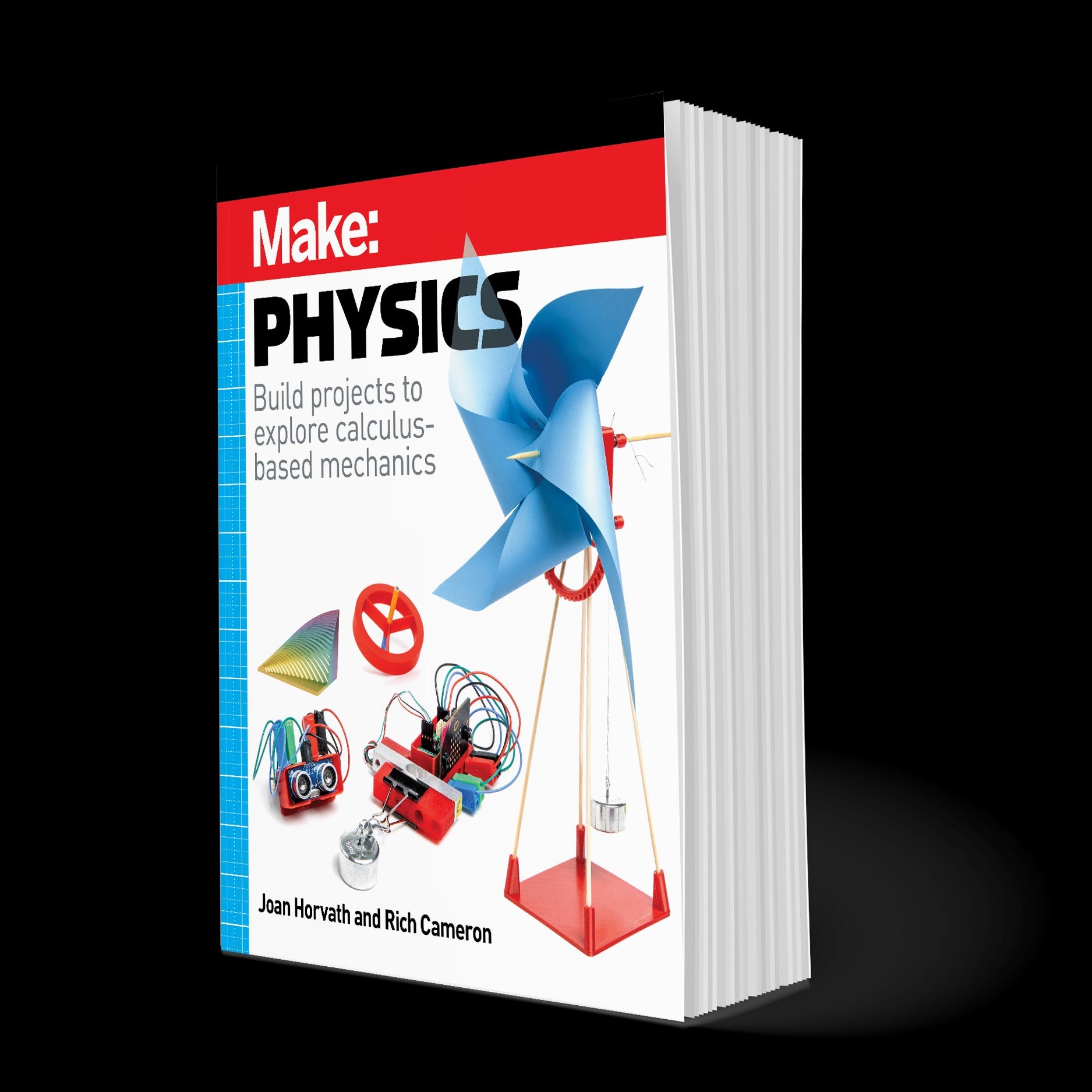
Make: Physics is available in Maker Shed.
A Method for Creative Invention: Decompose, Recompose, Remix
Chris Haske
Here is the recording of our September 22, 2026 workshop. Chris Haske shared his inspiring and innovative approach to design thinking and the learning process. Anyone who teaches hands-on skills combined with creative thinking will benefit from his presentation.
Will the workshop include a deliberately imperfect model for students to diagnose? Being able to change one variable, predict the result and then test it seems a useful way to make the physics belong to them.